Morning vs. Night Eye Care: Which Matters More?
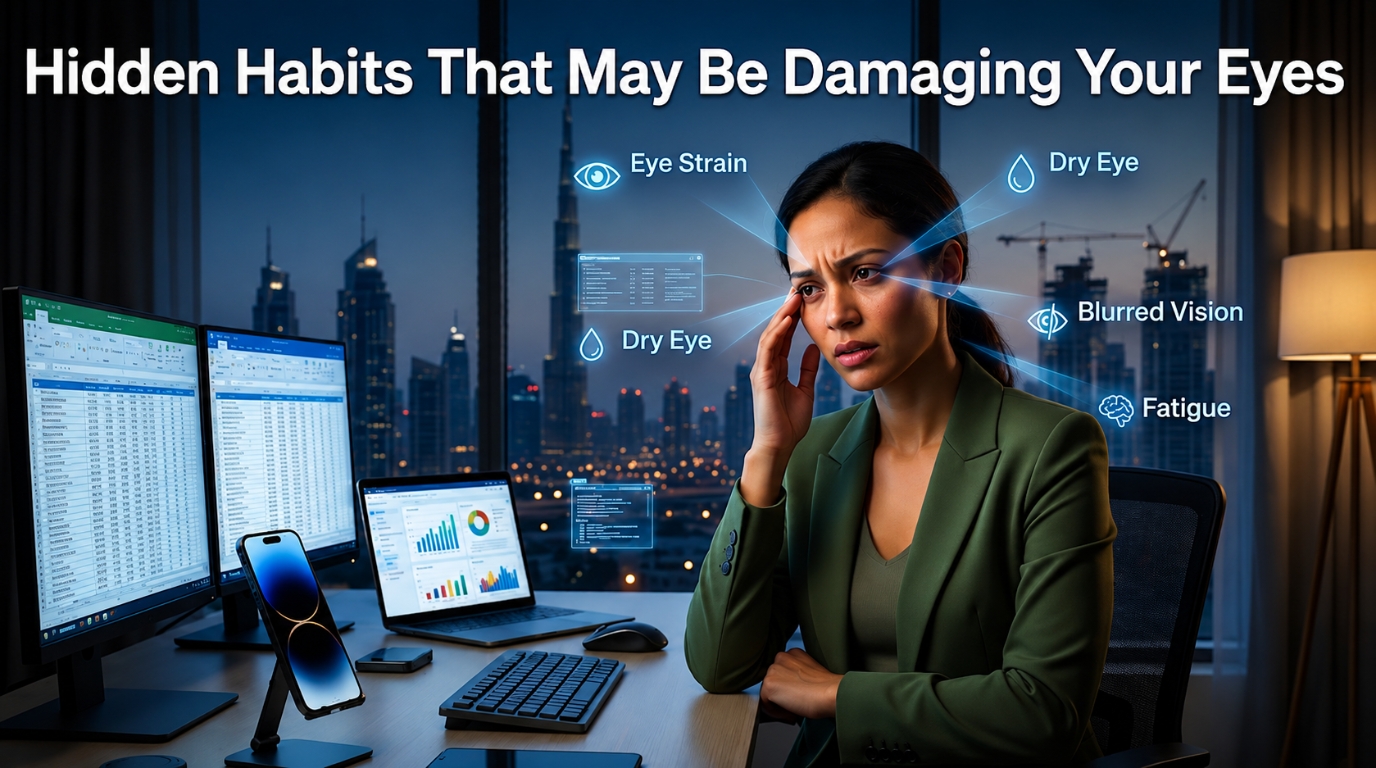
A consistent eye care routine can help keep your eyes comfortable and support long-term vision health. While many people focus on skincare routines, eye care is often overlooked. The good news is that caring for your eyes doesn’t require complicated products or lengthy routines. Both morning and nighttime habits play an important role in maintaining healthy eyes.
Why Eye Care Should Be Part of Your Daily Routine
Your eyes are exposed to dust, sunlight, pollution, digital screens, and environmental irritants every day. During sleep, your eyes recover from daily strain, while daytime activities expose them to new challenges.
A balanced routine throughout the day helps reduce discomfort and supports overall eye health.
Morning Eye Care Habits
Starting the day with healthy habits prepares your eyes for hours of work and screen use.
Clean Your Eyes Gently
If you notice crusting or discharge around your eyelids after waking up, gently clean the area using clean water or a soft, damp cloth. Avoid rubbing your eyes aggressively.
Stay Hydrated
Drinking water after waking helps maintain hydration throughout the body, including your eyes.
Wear UV-Protective Sunglasses
Whether you’re driving, walking, or spending time outdoors, sunglasses help protect your eyes from harmful ultraviolet rays.
Prepare for Screen Time
If your work involves computers, position your monitor at a comfortable distance and adjust brightness to reduce glare.
Healthy Habits During the Day
Your daytime routine has a significant impact on eye comfort.
Remember to:
- Blink regularly while using digital devices.
- Take short breaks using the 20-20-20 rule.
- Maintain proper lighting while reading.
- Avoid staring continuously at screens.
- Stay hydrated throughout the day.
Nighttime Eye Care Habits
Your evening routine is equally important because it helps your eyes recover from daily stress.
Remove Eye Makeup Thoroughly
Mascara, eyeliner, and eyeshadow left overnight may irritate the eyes and block oil glands along the eyelids.
Use a gentle makeup remover and avoid rubbing the delicate skin around your eyes.
Remove Contact Lenses
Never sleep in contact lenses unless specifically prescribed for overnight wear.
Clean and store lenses according to the manufacturer’s instructions.
Limit Screen Time Before Bed
Using digital devices immediately before bedtime may contribute to eye fatigue and interfere with healthy sleep patterns.
Consider reducing screen exposure during the hour before bedtime whenever possible.
Get Enough Sleep
Sleep allows your eyes to recover from the day’s activities.
Most adults benefit from 7 to 9 hours of quality sleep each night.
Should You Use Eye Drops?
Lubricating eye drops may help relieve occasional dryness caused by prolonged screen use or environmental factors. However, persistent symptoms should be evaluated by an eye care professional to determine the underlying cause.
Avoid using medicated eye drops without proper guidance.
Small Daily Habits Make a Difference
Eye care doesn’t have to be complicated. Consistency is more important than perfection.
Simple daily practices include:
-
- Wearing sunglasses outdoors
- Eating a balanced diet
- Getting enough sleep
- Staying hydrated
- Taking screen breaks
- Scheduling regular eye examinations
When practiced consistently, these habits help support comfortable vision and healthy eyes throughout the year.
Frequently Asked Questions
Is morning eye care more important than nighttime care?
Both are equally important. Morning habits prepare your eyes for daily activities, while nighttime care helps them recover from strain and irritation.
Should I wash my eyes every day?
Gently cleaning the eyelids and surrounding area is generally sufficient. Avoid using harsh soaps or unapproved products directly in the eyes.
Does sleep improve eye health?
Yes. Adequate sleep helps reduce eye fatigue, dryness, and discomfort while supporting overall eye function.
Can I use eye drops every day?
Artificial tears may be appropriate for some people, but frequent or persistent symptoms should be discussed with an eye care professional to identify the underlying cause.
Quick Enquiry
Vision Care
- 10 Effective Ways to Protect Your Eyes from Sun Damage
- 5 Symptoms of Sun-Induced Eye Conditions That Require Medical Attention
- Beyond Sunglasses: Alternative Methods to Shield Your Eyes from the Sun
- Exploring the Advantages of Glaucoma Treatment in Dubai
- Exploring the Root Causes of Glaucoma
- How Intravitreal Injections Help Manage Diabetic Retinopathy
- How Intravitreal Injections Help Manage Diabetic Retinopathy
- How to Choose the Right Sunglasses for Maximum Eye Protection
- How to Choose UV-Protective Contact Lenses for Sun Safety
- How to Protect Your Eyes from the Sun While Driving
- How Your Heart Affects Your Eyes: The Hidden Connection
- Questions to Ask Your Ophthalmologist About Diabetic Retinopathy
- Recovery and Healing: What to Expect After Microincision Cataract Surgery
- Red Eyes After Sun Exposure: Should You Visit an Eye Specialist?
Author
Dr. Vasu Kumar
Vitreoretinal Surgeon | Head of Ophthalmology, NMC Royal Hospital FACS | FICO | FAICO
With expertise in vitreoretinal surgery and advanced eye care, he combines clinical experience with a patient-focused approach to managing complex retinal conditions. His work is centered on protecting vision, delivering precise treatment, and helping patients achieve better long-term eye health.