Diabetic Retinopathy: Stages and Treatment
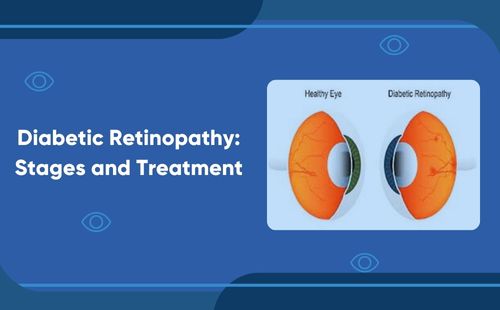
What is Diabetic Retinopathy?
Diabetic retinopathy, an ocular condition seen in individuals with diabetes, occurs when elevated blood sugar levels harm the delicate blood vessels within the retina. Consequently, affected individuals may experience symptoms such as blurred vision and partial or total vision loss.
Given its progressive nature and potential for permanent vision impairment, routine eye examinations are imperative. Early diagnosis by a qualified eye specialist enables timely intervention to mitigate the advancement of the stages of diabetic retinopathy.
Diabetic Retinopathy Facts
- Diabetic Retinopathy affects approximately one-third of people with diabetes.
- It is one of the primary causes of blindness amongst adults aged 20 to 74 years.
- The risk of diabetic retinopathy ascends with the duration of diabetes.
- Early detection and treatment can bring down the risk of blindness by 95%.
- Without timely intervention, Diabetic Retinopathy stages can progress to severe vision impairment or blindness.
Factors that can trigger Diabetic Retinopathy
Factors contributing to the onset of diabetic retinopathy include:
- Prolonged duration of diabetes
- Poorly controlled blood sugar levels
- High blood pressure (hypertension)
- High cholesterol levels
- Pregnancy
- Smoking
- Genetics (Family history of diabetes or diabetic retinopathy)
- Kidney disease (nephropathy)
- Obesity
Symptoms of Diabetic Retinopathy
In the initial stages, diabetic retinopathy often presents no symptoms. Signs and symptoms usually manifest as the condition progresses.
Diabetic retinopathy commonly impacts both eyes and may exhibit the following indications:
- Blurred vision
- Impaired color vision
- Eye floaters, characterized by transparent spots and dark strings moving in the person’s line of sight
- Patches or streaks obstructing vision
- Poor night vision
- Dark or empty spots in the central vision
- Sudden and complete vision loss
What are the stages of Diabetic Retinopathy?
Diabetic retinopathy is a progressive eye condition categorized into two types and four distinct stages, each representing varying degrees of severity.
The two types are Non-proliferative and Proliferative. Non-proliferative denotes the early stages of the disease, while proliferative represents an advanced form.
Stage 1: Mind Non Proliferative Diabetic Retinopathy
This initial stage showcases minute areas of swelling in the retina’s blood vessels, known as microaneurysms. At this phase, slight leakage of fluid into the retina occurs, leading to macular swelling—an area crucial for sharp, central vision.
Stage 2: Moderate Non Proliferative Diabetic Retinopathy
Progressing from the first stage, increased swelling of the retinal blood vessels disrupts proper blood flow, resulting in fluid accumulation within the macula.
Stage 3: Severe Non Proliferative Diabetic Retinopathy
In this stage, a larger segment of retinal blood vessels becomes obstructed, severely impeding blood flow. Consequently, the body signals for the growth of new blood vessels in the retina.
Stage 4: Proliferative diabetic Retinopathy
Representing the advanced phase of the disease, new blood vessels form in the retina. Due to their fragile nature, these vessels are prone to leakage, leading to various vision complications like blurriness, restricted peripheral vision, and potential vision loss.
Diagnosis
To assess the Diabetic retinopathy stages, our eye specialist Dr. Vasu Kumar at Retina Care Dubai, conducts a thorough eye examination.
This includes assessing:
- Visual acuity
- Eye muscle movement
- Peripheral vision
- Depth perception
- Curvature of the cornea
Additionally, your eyes will be dilated using specialized drops to enable a detailed examination of the optic nerve and retina.
Furthermore, Dr. Vasu Kumar may employ fluorescein angiography, a diagnostic technique to detect abnormal blood vessel growth or leakage, aiding in accurate diagnosis and treatment planning for diabetic retinopathy.
Diabetic Retinopathy Treatment by Dr. Vasu Kumar
For individuals with advanced diabetic retinopathy, surgical intervention may be necessary.
Dr. Vasu Kumar offers various treatment options depending on the stages of diabetic retinopathy you are at:
Laser Treatment
Laser treatment or surgery may involve Panretinal photocoagulation, or scatter surgery which are generally performed in-office or at our eye clinic. Dr. Vasu utilizes targeted laser beams to shrink abnormal blood vessels and seal leaks in the eye. This procedure can halt or slow blood leakage and fluid buildup. Multiple sessions may be required. While the treatment may cause temporary discomfort and blurry vision, it effectively addresses diabetic retinopathy. Potential risks, such as loss of peripheral vision, are discussed with patients.
Injections
Drugs like anti-VEGF agents and corticosteroids can reduce swelling and blood vessel leakage. Administered via eye injections, these medications offer long-term benefits with decreased frequency over time. Dr. Vasu ensures safe and effective administration, minimizing discomfort and optimizing outcomes.
Eye Surgery
In cases involving retinal or vitreous issues, a vitrectomy may be recommended. Dr. Vasu performs this procedure in a hospital setting under anesthesia. By removing cloudy or bloody vitreous, vision improvement and identification of retinal bleeding sources are achieved. Post-surgery, patients may require eye patches and prescribed eye drops to manage swelling and prevent infections. Special precautions, such as head positioning and travel restrictions, may be advised for optimal recovery.
While surgery doesn’t cure diabetic retinopathy, it can halt or slow its progression, offering significant relief and preserving vision. Dr. Vasu Kumar provides comprehensive care to manage diabetic retinopathy effectively.
Quick Enquiry
Vision Care
- 10 Effective Ways to Protect Your Eyes from Sun Damage
- 5 Symptoms of Sun-Induced Eye Conditions That Require Medical Attention
- Beyond Sunglasses: Alternative Methods to Shield Your Eyes from the Sun
- Exploring the Advantages of Glaucoma Treatment in Dubai
- Exploring the Root Causes of Glaucoma
- How Intravitreal Injections Help Manage Diabetic Retinopathy
- How Intravitreal Injections Help Manage Diabetic Retinopathy
- How to Choose the Right Sunglasses for Maximum Eye Protection
- How to Choose UV-Protective Contact Lenses for Sun Safety
- How to Protect Your Eyes from the Sun While Driving
- How Your Heart Affects Your Eyes: The Hidden Connection
- Questions to Ask Your Ophthalmologist About Diabetic Retinopathy
- Recovery and Healing: What to Expect After Microincision Cataract Surgery
- Red Eyes After Sun Exposure: Should You Visit an Eye Specialist?
Author
Dr. Vasu Kumar
Vitreoretinal Surgeon | Head of Ophthalmology, NMC Royal Hospital FACS | FICO | FAICO
With expertise in vitreoretinal surgery and advanced eye care, he combines clinical experience with a patient-focused approach to managing complex retinal conditions. His work is centered on protecting vision, delivering precise treatment, and helping patients achieve better long-term eye health.