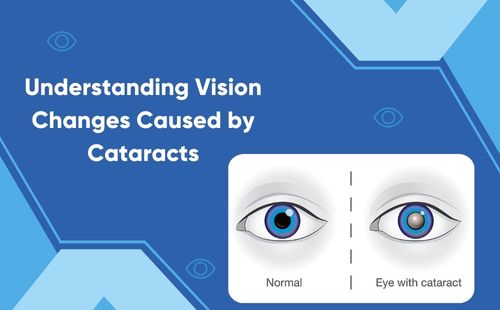
Cataracts, marked by the cloudiness of the eye’s lens, are a significant cause of vision impairment, particularly among older individuals.
While the condition develops gradually, it can significantly impact your daily life if left untreated. This blog delves into how cataracts affect vision, helping you understand the vision changes you might experience and navigate potential solutions.
The Lens and Its Role in Vision
Before exploring how cataracts impact vision, let’s understand the lens’s crucial role. The lens, positioned behind the iris, is a flexible and transparent structure that plays a vital role in directing light rays onto the retina at the rear of the eye.
This focused light allows the retina to convert light signals into electrical impulses, which are then sent to the brain, creating the images we see.
How Cataracts Affect Vision
Cataracts develop as proteins in the lens clump together, forming cloudy areas. These cloudy areas progressively block light from passing through the lens, hindering its ability to focus correctly.
This disruption in the focusing process leads to various vision changes, including:
Blurred or Hazy Vision: This is the most common symptom, often described as looking through a foggy or cloudy window.
Loss of Contrast: Cataracts can make distinguishing shades of color harder, making them appear faded or washed out.
Glare and Halos: Increased sensitivity to light, exceptionally bright lights or headlights, can cause glare and halos around light sources.
Difficulty Seeing at Night: Reduced light reaching the retina due to cataracts can make it challenging to see clearly in low-light conditions.
Frequent Changes in Eyeglass Prescription: As cataracts progress, your vision prescription may need frequent adjustments to compensate for the changing lens clarity.
Double Vision: Double vision, a condition where a single object appears as two, can sometimes occur due to cataracts.
It’s important to note that these vision changes often occur gradually and may take time to notice.
However, these symptoms can worsen as cataracts advance, impacting daily activities like reading, driving, and recognizing faces.
Additional Factors Affecting Vision with Cataracts
While cataracts are the primary cause of vision changes, other factors can contribute to the overall visual experience:
Age: Age-related cataracts are the most common type, and the risk of developing them increases.
Pre-existing eye conditions: Eye conditions like diabetes, glaucoma, and previous eye injuries can heighten the risk and speed up the progression of cataracts.
Certain medications: Long-term use of specific drugs, like steroids, can be linked to an increased risk of cataracts.
Lifestyle factors: Smoking, excessive sun exposure, and obesity are all associated with a higher risk of developing cataracts.
Addressing Cataract-Related Vision Changes
If you experience any of the vision changes mentioned above, scheduling an appointment with Dr. Vasu Kumar for a comprehensive eye exam is crucial.
Prompt identification and intervention can mitigate additional vision impairment and enhance overall well-being.
Cataract surgery stands as the optimal solution for restoring visual clarity. During this routine and secure procedure, the cloudy lens is extracted and substituted with an artificial intraocular lens (IOL).
Modern IOLs come in various types, offering solutions for specific vision needs, such as correcting nearsightedness or farsightedness
Vitreoretinal Surgeon | Head of Ophthalmology, NMC Royal Hospital
FACS | FICO | FAICO
With expertise in vitreoretinal surgery and advanced eye care, he combines clinical experience with a patient-focused approach to managing complex retinal conditions. His work is centered on protecting vision, delivering precise treatment, and helping patients achieve better long-term eye health.