Can Stress and Lack of Sleep Affect Your Eyesight?
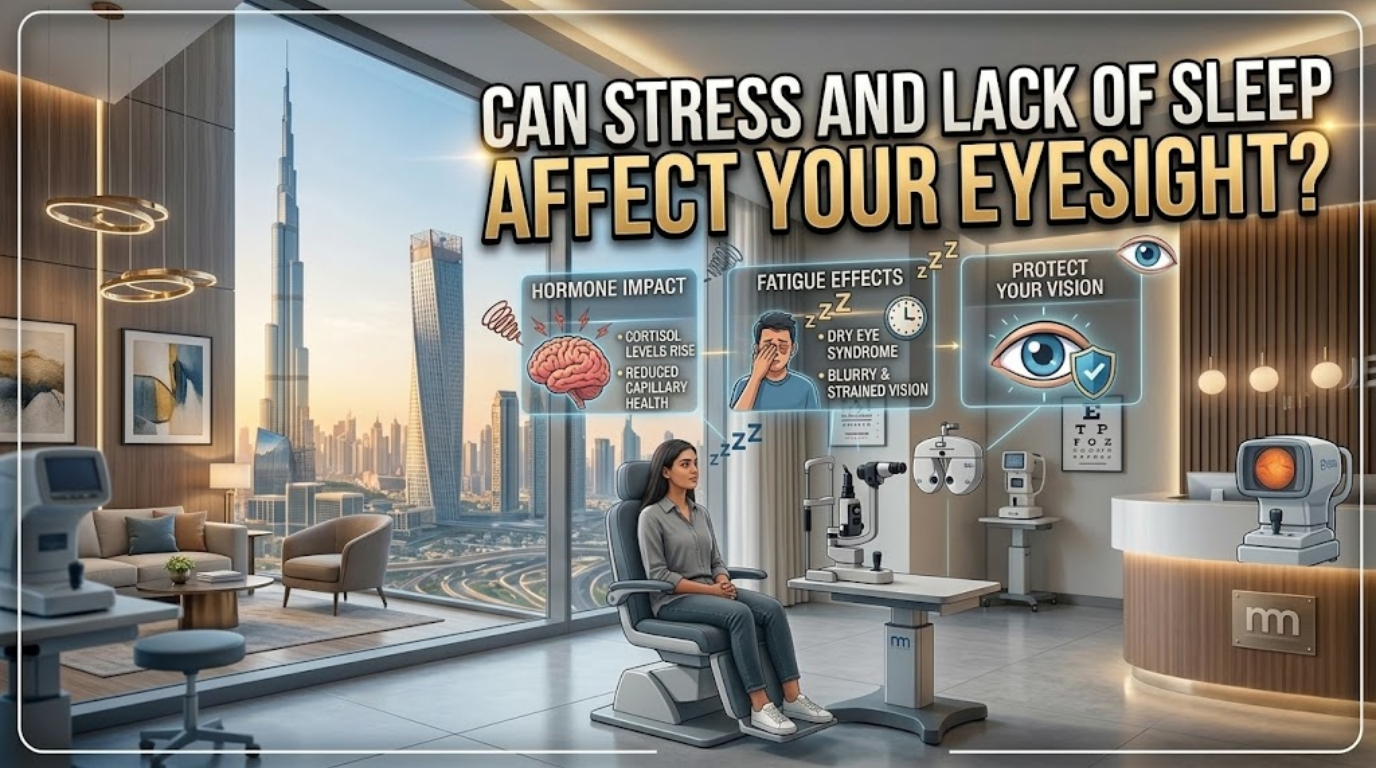
Modern lifestyles often involve long working hours, increased screen time, mental stress, and poor sleep habits. While most people understand that stress and lack of sleep can affect overall health, many are unaware that these factors can also impact eye health and visual comfort. In recent years, eye specialists have noticed a growing number of patients experiencing vision-related symptoms linked to stress, fatigue, and sleep deprivation.
Persistent stress and inadequate sleep may not directly cause permanent blindness, but they can contribute to several eye problems that affect daily life and overall visual performance. This is one reason why many individuals now seek advice from the Best eye specialist in Dubai for proper eye evaluation and preventive care.
How Stress Affects the Eyes
Stress triggers physical and hormonal changes throughout the body, including the eyes. During periods of stress, the body releases hormones such as cortisol and adrenaline, which may affect blood circulation, muscle tension, and nerve function.
These changes can lead to temporary vision disturbances and eye discomfort.
Common Eye Symptoms Related to Stress
People under continuous stress may experience:
- Eye strain
- Blurred vision
- Twitching eyelids
- Headaches around the eyes
- Light sensitivity
- Difficulty focusing
- Dry eyes
Stress may also increase awareness of existing vision problems, making symptoms feel more intense.
Eye Twitching and Fatigue
One of the most common stress-related eye symptoms is eyelid twitching, also known as myokymia. This condition usually affects the upper eyelid and may occur due to stress, fatigue, excessive caffeine intake, or lack of sleep.
Although eye twitching is usually harmless, frequent or prolonged twitching may indicate that the eyes and body are under excessive strain.
Can Lack of Sleep Affect Vision?
Sleep plays an essential role in maintaining healthy eye function. During sleep, the eyes receive important lubrication, repair, and recovery time. Poor sleep habits can reduce this recovery process and contribute to visual discomfort.
Dry Eyes
Insufficient sleep may reduce tear stability, leading to dryness, irritation, redness, and burning sensations.
Blurry Vision
Fatigued eyes may struggle to focus properly, causing temporary blurry vision and difficulty concentrating.
Increased Light Sensitivity
Sleep deprivation can make the eyes more sensitive to bright lights and screens.
Eye Strain
Tired eyes often become strained more quickly during reading, computer work, or driving.
People who consistently sleep poorly may notice worsening symptoms after prolonged digital screen use or long working hours.
The Connection Between Stress, Sleep, and Screen Time
Stress and lack of sleep are often closely connected with excessive screen exposure. Many individuals continue using smartphones, laptops, or tablets late into the night, which may worsen eye fatigue and disrupt sleep quality.
Reduced blinking during screen use can also increase dryness and irritation, further affecting visual comfort.
This combination of stress, fatigue, and prolonged screen time can create ongoing strain on the eyes if healthy habits are not maintained.
Tips to Protect Your Eye Health
Simple lifestyle changes can help reduce stress-related eye problems and improve overall visual comfort.
Maintain Healthy Sleep Habits
Aim for consistent and adequate sleep each night to support proper eye recovery.
Take Regular Screen Breaks
Follow the 20-20-20 rule by looking away from screens every 20 minutes.
Manage Stress Levels
Relaxation techniques, exercise, and proper work-life balance may help reduce physical stress symptoms.
Stay Hydrated
Proper hydration supports healthy tear production and reduces dryness.
Schedule Regular Eye Checkups
Routine eye examinations can help identify underlying issues and ensure overall eye health remains stable.
Conclusion
Stress and lack of sleep can significantly affect visual comfort and eye health, leading to symptoms such as eye strain, dryness, blurred vision, twitching, and fatigue. Although these problems may initially appear temporary, ongoing stress and poor sleep habits can continue affecting daily life and productivity. Maintaining healthy routines, limiting screen strain, and seeking regular eye evaluations can help protect long-term vision and overall eye wellness.
Quick Enquiry
Vision Care
- 10 Effective Ways to Protect Your Eyes from Sun Damage
- 5 Symptoms of Sun-Induced Eye Conditions That Require Medical Attention
- Beyond Sunglasses: Alternative Methods to Shield Your Eyes from the Sun
- Exploring the Advantages of Glaucoma Treatment in Dubai
- Exploring the Root Causes of Glaucoma
- How Intravitreal Injections Help Manage Diabetic Retinopathy
- How Intravitreal Injections Help Manage Diabetic Retinopathy
- How to Choose the Right Sunglasses for Maximum Eye Protection
- How to Choose UV-Protective Contact Lenses for Sun Safety
- How to Protect Your Eyes from the Sun While Driving
- How Your Heart Affects Your Eyes: The Hidden Connection
- Questions to Ask Your Ophthalmologist About Diabetic Retinopathy
- Recovery and Healing: What to Expect After Microincision Cataract Surgery
- Red Eyes After Sun Exposure: Should You Visit an Eye Specialist?
Author
Dr. Vasu Kumar
Vitreoretinal Surgeon | Head of Ophthalmology, NMC Royal Hospital FACS | FICO | FAICO
With expertise in vitreoretinal surgery and advanced eye care, he combines clinical experience with a patient-focused approach to managing complex retinal conditions. His work is centered on protecting vision, delivering precise treatment, and helping patients achieve better long-term eye health.