Glaucoma FAQs – Complete Guide for Dubai Patients (Expert Answers)
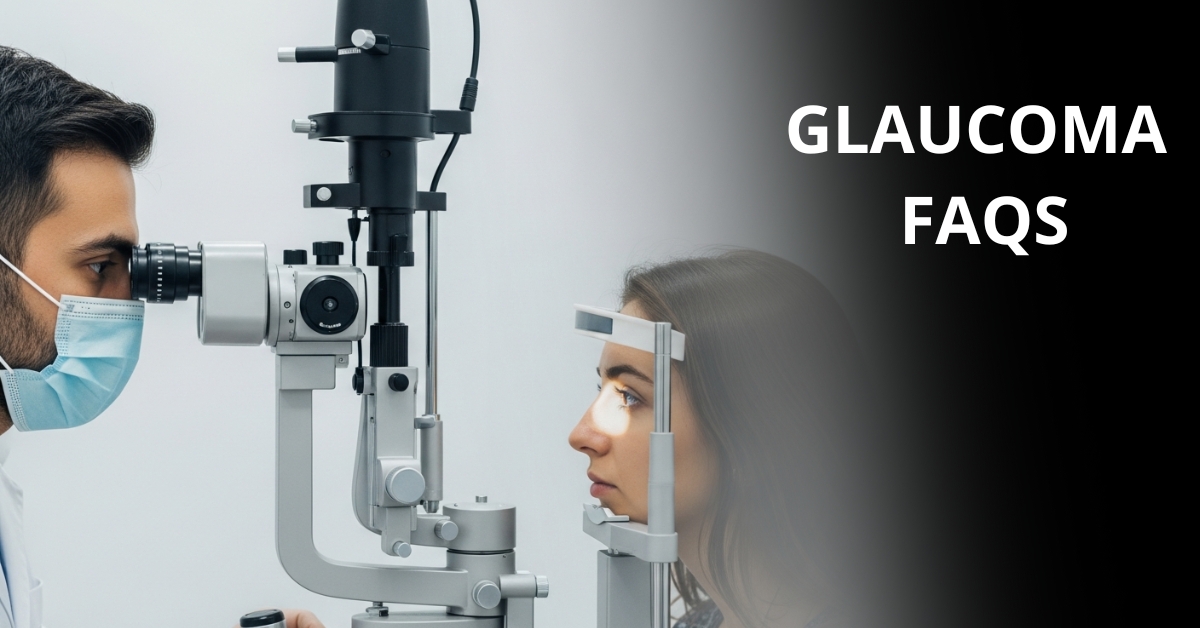
Glaucoma is one of the leading causes of preventable blindness worldwide. Many people in Dubai have heard the term but are unsure what it means, how it develops, or whether they are at risk. Below is a comprehensive FAQ-style guide (600+ words) answering the questions patients ask most often — in simple, trustworthy language.
1. What is glaucoma and why is it called the “silent thief of sight”?
Glaucoma is an eye condition in which pressure builds inside the eye, damaging the optic nerve.
It is called the silent thief of sight because it often develops slowly and without noticeable symptoms.
By the time vision changes become obvious, significant damage may already have occurred.
2. How do I know if I have glaucoma?
Most early-stage glaucoma has no visible symptoms.
However, some people may notice:
- Slight peripheral (side) vision loss
- Halos around lights
- Mild headaches or eye discomfort
The only reliable way to detect glaucoma early is through a comprehensive eye exam, including pressure measurement and optic nerve analysis.
3. What causes glaucoma?
The exact cause varies, but the most common factor is increased fluid pressure inside the eye.
Other risks include:
- Age over 40
- Family history of glaucoma
- Diabetes
- High blood pressure
- Severe myopia (high minus number)
- Long-term use of steroid medications
- Previous eye trauma
Dubai’s population has many at-risk groups due to lifestyle and genetic factors.
4. Which type of glaucoma is most common?
The most common type is Primary Open-Angle Glaucoma, which progresses slowly.
Another type, Angle-Closure Glaucoma, is more sudden and painful, requiring urgent medical care.
A specialist determines the type through detailed testing.
5. Is glaucoma curable?
There is no permanent cure for glaucoma — but it can be controlled.
Early detection, regular checkups, and proper treatment can preserve vision for a lifetime.
6. How is glaucoma treated?
Treatment depends on the severity but may include:
- Prescription eye drops to reduce pressure
- Oral medications in some cases
- Laser procedures to improve fluid drainage
- Surgical options for advanced cases
The goal of treatment is always the same: protect the optic nerve and prevent further vision loss.
7. How serious is glaucoma?
Glaucoma is extremely serious because optic nerve damage is irreversible.
Once vision is lost, it cannot be restored.
This is why regular screenings — especially for people over 40 — are essential in Dubai.
8. Can glaucoma cause blindness?
Yes, untreated glaucoma can lead to permanent blindness.
However, with timely diagnosis and proper care, blindness is largely preventable.
9. How often should I get checked for glaucoma?
Recommended exam frequency:
-
- Ages 18–40: every 2 years
- Ages 40–60: every 1–2 years
- Above 60: every year
- Anyone with a family history: annually
- Diabetic patients: annually
Glaucoma screening is especially important in Dubai due to hereditary patterns seen in Middle Eastern and South Asian populations.
10. Can glaucoma be prevented?
While you can’t prevent glaucoma entirely, you can prevent vision loss through:
-
- Regular eye exams
- Early diagnosis
- Consistent treatment
- Managing diabetes and blood pressure
- Avoiding long-term self-use of steroid drops
Healthy habits go a long way in protecting your vision.
11. What are the warning signs of angle-closure glaucoma?
This type is an eye emergency. Seek immediate medical care if you experience:
-
- Sudden severe eye pain
- Headache
- Nausea or vomiting
- Rapid vision loss
- Redness and blurred vision
Delay can result in permanent damage.
12. Who is the best doctor for glaucoma care in Dubai?
While Dubai has many eye specialists, patients often look for someone experienced in diagnosing early-stage glaucoma, interpreting optic nerve scans, and tailoring long-term treatment plans.
Dr. Vasu Kumar is widely trusted for glaucoma evaluation and management.
Through Retina Care Dubai, patients can book a consultation to receive personalized guidance, detailed testing, and ongoing monitoring — essential for controlling glaucoma.
13. Can I live a normal life with glaucoma?
Yes.
Many people with glaucoma enjoy complete, active lives.
The key is:
-
- Early detection
- Regular follow-ups
- Following your specialist’s treatment plan
- Protecting your overall health
With consistent care, vision can be preserved for decades.
Final Note
Glaucoma may be silent, but with awareness and expert guidance, it doesn’t have to threaten your vision.
If you have symptoms — or risk factors — consider booking an evaluation with Dr. Vasu Kumar via Retina Care Dubai to protect your eyesight today.
Quick Enquiry
Vision Care
- 10 Effective Ways to Protect Your Eyes from Sun Damage
- 5 Symptoms of Sun-Induced Eye Conditions That Require Medical Attention
- Beyond Sunglasses: Alternative Methods to Shield Your Eyes from the Sun
- Exploring the Advantages of Glaucoma Treatment in Dubai
- Exploring the Root Causes of Glaucoma
- How Intravitreal Injections Help Manage Diabetic Retinopathy
- How Intravitreal Injections Help Manage Diabetic Retinopathy
- How to Choose the Right Sunglasses for Maximum Eye Protection
- How to Choose UV-Protective Contact Lenses for Sun Safety
- How to Protect Your Eyes from the Sun While Driving
- How Your Heart Affects Your Eyes: The Hidden Connection
- Questions to Ask Your Ophthalmologist About Diabetic Retinopathy
- Recovery and Healing: What to Expect After Microincision Cataract Surgery
- Red Eyes After Sun Exposure: Should You Visit an Eye Specialist?
Dr. Vasu Kumar, Best Eye Specialist in Dubai
Meet Dr. Vasu Kumar, the best eye specialist in Dubai and the best Indian ophthalmologist in Dubai is retina specialist in Dubai who is heading the Department of Ophthalmology at NMC Royal Hospital. He became a leading Indian eye specialist in Dubai with his expertise in Advanced Vitreo-retina surgery and microincision Cataract surgery. If you are seeking the best Indian eye specialist or the best Ophthalmologist in Dubai, you have come at the right place.
At the heart of Dr. Vasu Kumar’s practice lies a steadfast commitment to providing exceptional care and tailored treatment plans to enhance your vision and maintain optimal eye health. His unwavering dedication to improving the lives of his patients is a testament to his expertise in ophthalmology.